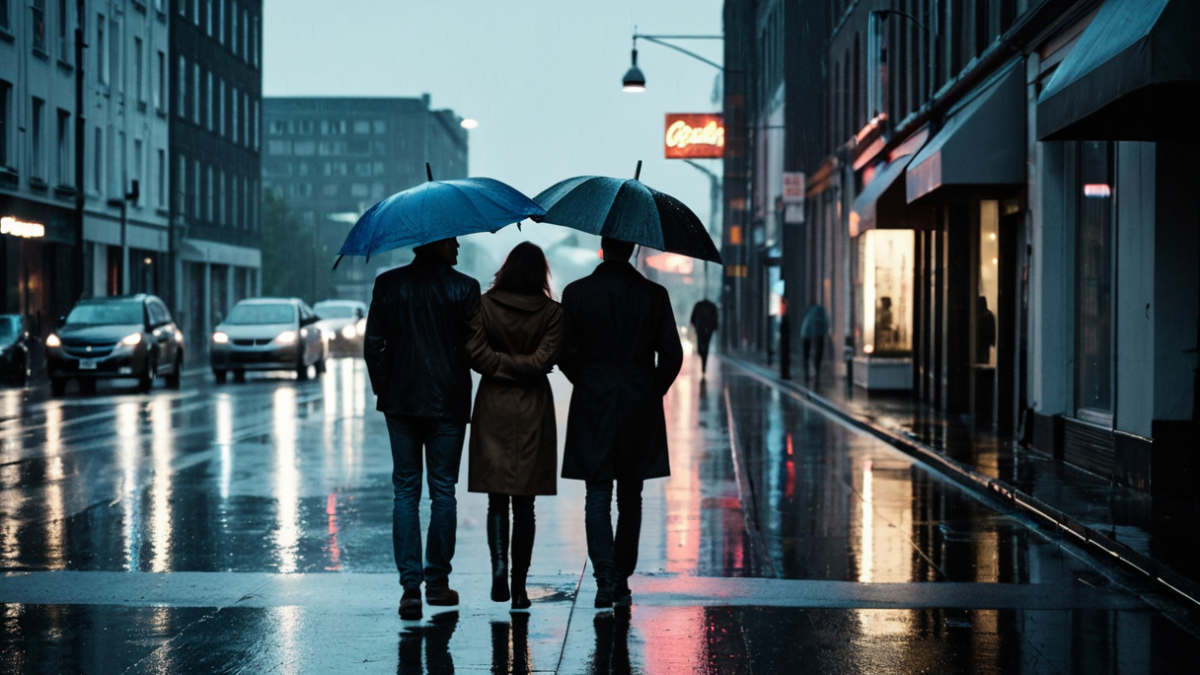
Ever feel like dating in a major city is an uphill battle? You’re not alone. The common refrain among urban dwellers is that the dating pool is either too shallow, too competitive, or filled with people who aren’t looking for anything serious. From endless swiping on apps that promise connection but often deliver disappointment, to navigating crowded bars and loud venues where genuine conversation feels impossible, the quest for a meaningful relationship can feel utterly exhausting. It’s enough to make you wonder if the problem is you, the city, or just everyone else.
This widespread sentiment begs the question: is urban dating truly as dire as it seems, or is it simply a popular topic for commiseration and complaint? While every city has its unique challenges and advantages, the sheer volume of people, combined with fast-paced lifestyles and an abundance of options, can certainly create a complex dating landscape. But does that mean hope is lost? Or are there strategies and perspectives that can help you navigate the metropolitan maze and find the connections you’re looking for?
Understanding the Urban Dating Landscape
Before we dive into solutions, let’s break down some of the core concepts that define dating in major cities. It’s not just about more people; it’s about how those people interact within a specific environment. Understanding these dynamics is the first step toward a more successful dating experience.
- The Paradox of Choice: Major cities offer an overwhelming number of potential partners. While this might seem like a good thing, research suggests that too many options can lead to decision paralysis, increased dissatisfaction with choices made, and a tendency to constantly seek something “better.” This can manifest as endless swiping or a reluctance to commit.
- Fast-Paced Lifestyles: Urban life is often characterized by demanding careers, long commutes, and a packed social calendar. This leaves less time and energy for dating, making it harder to schedule dates, build rapport, and invest in a new relationship. The pressure to “make every minute count” can also lead to superficial interactions.
- Diverse Demographics: Cities are melting pots of cultures, backgrounds, and lifestyles. While this diversity is enriching, it can also mean a wider range of expectations, communication styles, and relationship goals among potential partners. Finding someone truly compatible might require more deliberate searching.
- Transient Populations: Many city residents are not long-term inhabitants. People move for work, education, or experience, leading to a higher turnover rate in social circles. This transience can make some hesitant to invest deeply in relationships, fearing an eventual departure.
- The “Hookup Culture” Perception: While not exclusive to cities, the perception (and sometimes reality) of a dominant “hookup culture” can be more pronounced in urban environments. The ease of anonymous encounters through apps and the sheer volume of people can contribute to this, making it seem harder to find individuals seeking serious commitment.
- Emphasis on Independence: Urbanites often value their independence and personal space. While positive, this can sometimes translate into a reluctance to compromise or integrate another person fully into their life, especially early in a relationship.
Practical Details Beginners Often Miss in City Dating
Navigating the urban dating scene isn’t just about understanding the broad strokes; it’s also about mastering the subtle, practical details that can make a significant difference. Many newcomers or those struggling often overlook these crucial aspects.
- Optimizing Your Dating App Profile for Urban Audiences: In a city with millions of users, your profile needs to stand out. Generic bios or blurry photos won’t cut it. Focus on high-quality, diverse photos that showcase your personality and interests. Write a concise, engaging bio that highlights unique aspects of your life and clearly states what you’re looking for, without being overly demanding. Mentioning your favorite local spots or activities can also be a great conversation starter.
- Location, Location, Location (Within the City): While you might be open to dating someone across town, remember that long-distance relationships within the same city can be just as challenging as inter-city ones. Consider your commute, typical hangout spots, and lifestyle. Dating someone who lives a 90-minute subway ride away for every date can quickly become unsustainable. Be realistic about geographical compatibility.
- Leveraging Niche Social Groups and Events: Instead of relying solely on dating apps, actively seek out social groups, classes, or events that align with your interests. This could be a book club, a hiking group, a volunteer organization, or even a local sports league. Meeting people in environments where you already share common ground often leads to more natural and meaningful connections.
- Mastering the Art of the “Micro-Date”: In busy cities, scheduling a three-hour dinner date can be daunting. Embrace the concept of a “micro-date” – a quick coffee, a walk in a park, or a drink after work. These low-pressure, shorter encounters are easier to fit into busy schedules, allow you to gauge initial chemistry, and prevent burnout from lengthy, uninspired dates.
- Understanding “Ghosting” and Rejection as Part of the Landscape: While frustrating, ghosting and rejection can feel more prevalent in high-volume dating environments. It’s not necessarily a reflection on you, but often a consequence of the sheer number of interactions and the impersonal nature of some platforms. Develop resilience and a thick skin; don’t take every non-response or polite decline personally.
- Prioritizing Your Own Social Life: Don’t let the pursuit of a partner consume your entire social life. Maintain strong friendships, pursue hobbies, and engage in activities that bring you joy independently. A fulfilling personal life makes you a more interesting and confident individual, which is attractive to potential partners. Plus, your existing social network can often be a great source of introductions.
- Being Realistic About Expectations: While it’s good to have standards, being overly rigid or having an idealized vision of a partner can lead to constant disappointment. Be open to different types of people and recognize that true compatibility often emerges through shared experiences and genuine connection, not just a checklist of traits. Sometimes, the best relationships come from unexpected places, perhaps even through a new connection you make on a platform like CamStars, where you can explore diverse personalities in a relaxed setting.
Navigating the dating scene in a major city can feel like a high-stakes game. While it’s easy to commiserate with friends about the challenges, the truth is, urban environments also offer unparalleled opportunities for connection. It’s less about inherent “badness” and more about how you approach the experience. Let’s explore some practical strategies to make city dating work for you.
Beyond the Swipe: A Step-by-Step Guide to Urban Dating Success
Ready to move past endless swiping and into genuine connections? Here’s a structured approach to enhance your city dating experience:
- Define Your “Why”: Before you even open an app, take a moment to reflect. What are you truly looking for? A casual connection, a long-term partner, a new friend group? Knowing your intention will guide your choices and help you avoid situations that don’t align with your goals. Be honest with yourself, and communicate this honestly (and appropriately) with potential dates.
- Optimize Your Online Presence: Your dating profile is your digital storefront.
- Photos: Use recent, clear, and varied photos. Include a headshot, a full-body shot, and a photo showcasing a hobby or interest. Avoid group shots where you’re hard to identify, blurry images, or heavily filtered selfies. Aim for 3-5 high-quality photos.
- Bio: Craft a concise, engaging bio that highlights your personality and interests. Instead of listing adjectives, show them. “I love hiking” is less impactful than “Spent last weekend exploring the trails in [nearby park] and would love to find someone to share future adventures with.” Include a lighthearted question or a conversation starter.
- Be Specific: Mentioning a niche interest (e.g., “avid board game enthusiast,” “obsessed with 90s indie films”) can act as a natural filter, attracting like-minded individuals and giving them an easy opening for a conversation.
- Diversify Your Search: Don’t put all your eggs in one basket. While dating apps are convenient, they’re not the only avenue.
- Apps: Use a mix of popular, broad-reach apps and niche apps that cater to specific interests or demographics.
- Social Groups: Join local clubs, classes, or volunteer organizations related to your hobbies. Think sports leagues, book clubs, cooking classes, or community service groups.
- Events: Attend local events, concerts, art exhibitions, or food festivals. These provide natural opportunities for interaction without the pressure of a “date.”
- Friends of Friends: Let your social circle know you’re open to meeting new people. Referrals from trusted friends can often lead to more compatible matches.
- Master the Art of the First Message: Generic “Hey” or “How are you?” messages rarely stand out.
- Reference their Profile: Pick out something specific from their photos or bio. “That photo of you at [landmark] looks amazing, have you traveled there recently?” or “I saw you’re into [hobby], any recommendations for a beginner?”
- Ask an Open-Ended Question: Encourage a conversation, not a yes/no answer.
- Keep it Concise: A few engaging sentences are usually sufficient.
- Plan Engaging First Dates: Move beyond the standard coffee or drinks if you can.
- Activity-Based: Suggest an activity you both enjoy. A walk in a park, visiting a museum, a casual game of mini-golf, or exploring a new neighborhood can create a more relaxed and memorable experience.
- Keep it Short & Sweet: For a first meeting, an hour or two is often ideal. This allows for a good conversation without feeling like a huge time commitment if there isn’t a strong connection.
- Safety First: Always meet in a public place, let a friend know where you’re going, and arrange your own transportation.
- Follow Up Thoughtfully: If you enjoyed the date, send a brief, polite message afterwards. “I had a really great time tonight, I enjoyed talking about [specific topic]. Would love to do it again sometime.” If you didn’t feel a connection, a polite “Thanks for meeting up, I had a nice time, but I don’t think we’re a match” is considerate, though not always necessary if you’ve only had one meeting.
Common Mistakes and Their Fixes
Even with good intentions, it’s easy to fall into common dating traps. Here’s how to identify and correct them:
- Mistake: Over-reliance on a single app or method.
- Fix: Diversify your approach. While one app might be popular, it might not be the best fit for your dating goals. Explore different apps, join social groups, attend events, and be open to meeting people through friends. Cast a wider, yet targeted, net.
- Mistake: Not being clear about your intentions (to yourself and others).
- Fix: Self-reflect on what you truly want from dating. Are you seeking casual encounters, a serious relationship, or just new friends? Be honest and upfront (when appropriate) on your profile or early in conversations. This saves time and avoids misaligned expectations.
- Mistake: Having a rigid “checklist” for a partner.
- Fix: While deal-breakers are important, an overly specific list of superficial traits can blind you to great connections. Focus on core values, compatibility, and how someone makes you feel, rather than just height, job title, or specific hobbies. Be open to pleasant surprises.
- Mistake: Treating dating like a job interview or a chore.
- Fix: Reframe your perspective. Dating should ideally be an enjoyable process of meeting new people and exploring connections. Approach each interaction with curiosity and a genuine desire to learn about the other person. If it feels like a chore, take a break and recharge.
- Mistake: Neglecting your own life and interests while dating.
- Fix: Maintain your hobbies, friendships, and personal goals. A full and interesting life makes you a more attractive and well-rounded individual. Don’t put your life on hold “until you find someone.” This also prevents you from placing too much pressure on any single date to fulfill all your needs.
Comparisons and Trade-Offs: Navigating the Dating Landscape
The urban dating landscape offers a spectrum of options, each with its own advantages and considerations:
Dating Platforms: Free vs. Paid vs. Niche
- Free General Platforms (e.g., Tinder, Bumble, Hinge):
- Pros: Large user bases, high volume of potential matches, easy to get started. Can be effective for both casual and serious dating depending on your approach.
- Cons: Can feel overwhelming due to sheer volume, more effort required to filter out incompatible matches. Some users may not be serious about finding a relationship.
- Cost: Free to use, with optional paid upgrades for enhanced features (typically ranging from a few dollars to about twenty dollars per month).
- Paid Premium Platforms (e.g., Match, eHarmony):
- Pros: Users often pay a subscription, which can indicate a more serious intent to find a relationship. Often feature more in-depth questionnaires and matching algorithms.
- Cons: Smaller user base compared to free apps, can be a significant financial commitment.
- Cost: Subscription fees typically range from twenty to sixty dollars per month, often with discounts for longer commitments.
- Niche Platforms (e.g., specific interest apps, religious apps, apps for particular demographics):
- Pros: Highly targeted, increasing the likelihood of finding someone with shared interests or values. Less noise and more focused interactions.
- Cons: Much smaller user pools, which can limit options, especially in less populated areas.
- Cost: Varies widely; some are free, others have subscription models similar to premium platforms.
Meeting Settings: Online vs. In-Person
- Online Dating (Apps/Websites):
- Pros: Convenience, ability to screen profiles before meeting, access to a wide variety of people you might not otherwise encounter. Can be efficient for busy city dwellers.
- Cons: Can lead to “analysis paralysis,” misrepresentation on profiles, and the potential for ghosting or shallow interactions. Requires good communication skills to transition from online to in-person.
- Trade-off: High volume and convenience for potentially less organic connection initially.
- In-Person (Social Events, Hobbies, Friend Introductions):
- Pros: More organic connections, ability to assess chemistry and personality in real-time, often leads to shared experiences as a foundation. Less pressure than a dedicated “date.”
- Cons: Less efficient, requires more initiative to approach strangers, limited by your social circle and the events you attend. Can feel more intimidating for some.
- Trade-off: Slower pace and less direct “dating” focus for potentially more authentic and immediate chemistry.
Ultimately, the “badness” of city dating is often a reflection of your approach and expectations. By being intentional, diversifying your strategies, and learning from common pitfalls, you can transform the urban dating scene from a source of frustration into a vibrant opportunity for connection.
Privacy, Money, and Familiar Faces
While the allure of a large dating pool in a major city is undeniable, it’s crucial to approach the experience with practical considerations for your privacy, safety, and finances.
Firstly, privacy can be a significant concern. In densely populated areas, there’s a higher chance of encountering people you know, or who know people you know, on dating apps or out and about. This can be particularly relevant for those in specific professions or with a strong community presence. It’s wise to be mindful of the information you share online and to consider using privacy settings on dating apps to control who sees your profile. For instance, some apps allow you to hide your profile from friends of friends or to only show it to people you’ve “liked.” When meeting someone new, choosing a public, well-lit location for your first few dates can help maintain a sense of anonymity until you’re comfortable sharing more personal details.
Safety is paramount, especially when meeting strangers. Major cities, while offering numerous public venues, also present a higher density of people, which can sometimes make it harder to discern intentions. Always inform a trusted friend or family member about your date plans, including the location and estimated time of return. Consider sharing your live location with them if you feel comfortable. Stick to public places for initial meetings and avoid going to someone’s home or a secluded area until you’ve established a level of trust. Be aware of your surroundings, and don’t feel pressured to do anything that makes you uncomfortable. It’s always okay to end a date early if you feel uneasy.
Financially, dating in a major city can be more expensive than in smaller towns. The cost of living is generally higher, and this extends to activities like dining out, entertainment, and transportation. Expect to spend more on dates, whether it’s for a fancy dinner, a show, or even just drinks. Budgeting for your dating life can be a practical approach. Consider suggesting more affordable date ideas like a walk in a park, a coffee date, or exploring free cultural events. Don’t feel obligated to overspend to impress someone; genuine connection rarely depends on lavish expenses. Being upfront about your budget or suggesting mutually agreeable activities can help manage expectations and avoid financial strain.
Dating Pool, Expectations, and Outcomes
- Major cities offer a larger, more diverse dating pool, which can be both exciting and overwhelming.
- Complaints about dating often stem from high expectations, dating app fatigue, or specific personal experiences rather than an inherent flaw in city dating.
- While some city dwellers report a “hookup culture,” many others successfully find serious relationships, suggesting individual preferences play a significant role.
- The fast-paced nature of city life can impact dating, leading to less time for courtship or a preference for efficiency.
- Privacy and safety are heightened concerns in urban dating; always prioritize personal well-being and be mindful of shared information.
- Dating in major cities can be more expensive; budgeting and suggesting affordable activities are practical approaches.
- The perceived difficulty of dating often varies greatly from person to person, even within the same city.
- Platforms like CamStars offer alternative ways to connect and engage with others without the pressures of traditional dating, providing a different avenue for social interaction.
Ultimately, whether dating in a major city is “bad” or just a subject of complaint often depends on individual perspective, expectations, and strategies. With a practical approach to privacy, safety, and finances, and a realistic outlook, urban dating can be a rewarding experience.