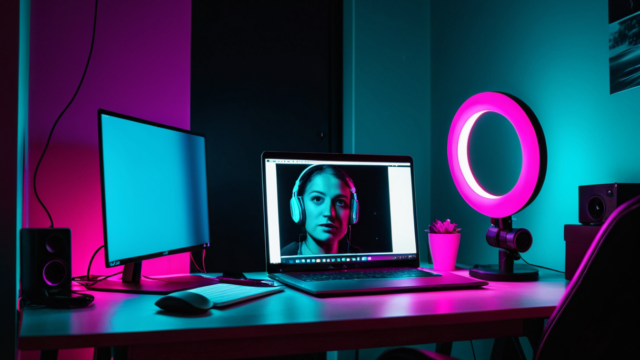
The journey of webcams, from a simple coffee pot monitor to a global entertainment phenomenon, is a fascinating dive into how technology shapes human connection and expression. What began as a niche curiosity has blossomed into a sophisticated industry, offering creators unique avenues for interaction and viewers diverse forms of entertainment. Understanding this evolution helps us appreciate the intricate world of live streaming today.
Live Camming Basics
At its core, live cam streaming involves a performer broadcasting live video and audio from their personal space directly to an audience over the internet. This real-time interaction is the cornerstone of the experience, distinguishing it from pre-recorded content. The technology behind it, while seemingly complex, relies on a few fundamental components and processes.
The Technical Setup
For a performer, the setup typically begins with a reliable internet connection. This is paramount for smooth, uninterrupted streaming. A high-speed, stable broadband connection is usually recommended to handle the demands of uploading video data in real-time. Without sufficient bandwidth, streams can suffer from lag, pixelation, or disconnections, detracting significantly from the viewer’s experience.
Next, a quality webcam is essential. While many modern laptops come with integrated webcams, dedicated external webcams often offer superior video resolution, better low-light performance, and more advanced features like autofocus. Some performers might even opt for digital single-lens reflex (DSLR) cameras or mirrorless cameras connected to their computer via a capture card, especially if they are aiming for professional-grade video quality. These setups can provide exceptional clarity and depth of field, making the stream visually more engaging.
Audio is another critical element often overlooked. A clear microphone is just as important as a good camera. Built-in laptop microphones are rarely sufficient, picking up ambient noise and producing muffled sound. External USB microphones, or even professional condenser microphones, can dramatically improve audio quality, ensuring that the performer’s voice is crisp and easily understood. Good audio enhances the sense of presence and connection, making interactions more personal and enjoyable.
Lighting is the unsung hero of many successful streams. Proper lighting can transform a mediocre video feed into a professional-looking broadcast. Ring lights, softboxes, or even strategically placed lamps can illuminate the performer’s face evenly, reduce harsh shadows, and make the video more visually appealing. Experimenting with different lighting setups can help create a specific mood or highlight certain features, contributing to the overall aesthetic of the stream.
Finally, a computer or device capable of handling the streaming software and encoding video in real-time is necessary. Modern processors and ample RAM are typically sufficient for most streaming needs. The operating system, whether Windows, macOS, or Linux, will host the streaming software and manage the hardware components.
The Software and Platform
The bridge between the performer’s setup and their audience is the streaming software and the platform itself. Streaming software, such as OBS Studio or Streamlabs OBS, captures the video and audio from the performer’s devices, encodes it into a streamable format, and sends it to the chosen live cam platform. These software suites offer various features, including the ability to add overlays, text, multiple camera angles, and integrate chat functions, allowing for a dynamic and interactive broadcast.
The live cam platform, such as CamStars, acts as the central hub. It receives the encoded stream from the performer, processes it, and distributes it to viewers. These platforms provide the infrastructure for real-time chat, virtual currency systems (for tips and private shows), and user profiles. They also handle the technical complexities of scaling the stream to potentially thousands of viewers simultaneously, ensuring a smooth experience for everyone involved. The platform also typically provides tools for performers to manage their schedules, track earnings, and interact with their audience.
Viewers, on their end, simply need a device with an internet connection and a web browser or a dedicated app to access the platform. They can then browse available performers, enter their rooms, and participate in the live chat. The interactivity is a key draw, allowing viewers to send messages, request specific actions (within guidelines), and show appreciation through virtual tips or gifts, which translate into earnings for the performer.
Performer’s Setup Checklist
For anyone considering entering the world of live camming, a structured approach can help navigate the initial setup and ongoing operations. It’s a journey that combines technical preparation with personal branding and audience engagement.
1. Technical Preparation
- Internet Connection: Secure a stable, high-speed broadband connection. Wired connections (Ethernet) are generally preferred over Wi-Fi for reliability.
- Hardware: Invest in a good quality webcam (or a DSLR/mirrorless camera with a capture card), a clear microphone, and sufficient lighting. A comfortable, ergonomic chair and a tidy background are also important for presentation.
- Computer: Ensure your computer has enough processing power and RAM to handle streaming software and multiple applications simultaneously without lag.
2. Platform Selection and Setup
- Choose a Platform: Research various live cam platforms. Consider factors like payout rates, audience size, platform features, and community guidelines. Each platform has its own culture and user base.
- Account Creation: Sign up for an account. This typically involves an age verification process, as these platforms are strictly 18+.
- Profile Building: Create a compelling profile. This includes a clear profile picture, an engaging bio that highlights your personality and what viewers can expect, and a schedule if you plan to stream regularly.
3. Software Configuration
- Download Streaming Software: Install a reputable streaming software like OBS Studio or Streamlabs OBS.
- Configure Settings: Connect your camera and microphone to the software. Adjust video resolution, bitrate, and audio settings for optimal quality without straining your internet connection. Most platforms provide recommended settings.
- Test Stream: Before going live to an audience, conduct private test streams. Check video and audio quality, lighting, and ensure all overlays and chat integrations are working correctly.
4. Go Live and Engage
- Initial Broadcast: When you’re ready, start your first live stream. Be prepared for a learning curve.
- Interaction: Actively engage with your audience. Respond to chat messages, thank viewers for tips, and foster a friendly, welcoming atmosphere. Good communication is key to building a loyal following.
- Content Planning: While spontaneity is part of live streaming, having a general idea of what you want to do or discuss can help maintain viewer interest. This could be anything from casual conversation to themed sessions.
5. Building a Community
- Consistency: Regular streaming helps build an audience. Try to stick to a consistent schedule so viewers know when to find you.
- Promotion: Promote your streams on social media (within platform guidelines) or other relevant online communities.
- Feedback: Pay attention to viewer feedback. What do they enjoy? What could be improved? Adapting to your audience’s preferences can help you grow.
Five Newcomer Pitfalls
While the allure of live camming can be strong, many newcomers encounter pitfalls that can hinder their success or even lead to frustration. Being aware of these common mistakes can help aspiring performers navigate the landscape more effectively.
Underestimating Technical Requirements
One of the most frequent errors is not investing enough in the technical setup. A grainy video feed, choppy audio, or frequent disconnections can quickly drive viewers away. Performers might assume their basic laptop webcam and internet connection are sufficient, only to find that the quality is subpar compared to others on the platform. This leads to a poor first impression and difficulty in retaining an audience. Prioritizing a stable internet connection, a good webcam, and a clear microphone is fundamental.
Lack of Engagement
Live camming is inherently interactive. Simply sitting in front of a camera without actively engaging with the audience is a recipe for low viewership. Viewers come for connection, conversation, and a personalized experience. Ignoring chat messages, not acknowledging tips, or appearing disinterested can make viewers feel unappreciated and lead them to seek entertainment elsewhere. Regular verbal communication, responding to questions, and showing genuine interest in your audience are crucial for building rapport.
Inconsistent Schedule
Building a loyal following often depends on predictability. If a performer streams at random times with no set schedule, viewers won’t know when to tune in. This makes it difficult for an audience to form habits around watching a particular stream. While flexibility is sometimes necessary, establishing a consistent streaming schedule, even if it’s just a few days a week, helps viewers plan their viewing and fosters a sense of routine, which can significantly boost regular viewership.
Ignoring Personal Branding
In a crowded market, standing out is vital. Many new performers neglect to develop a distinct persona or brand. This doesn’t mean fabricating an identity, but rather highlighting unique aspects of their personality, interests, or style. A generic profile with no clear identity makes it hard for viewers to remember or connect with a performer. Developing a consistent aesthetic, a unique approach to interaction, or specializing in certain types of content can help create a memorable brand.
Poor Boundary Management
While interaction is key, performers must also establish and maintain clear boundaries. This includes what they are comfortable doing or discussing on stream, and what they are not. Failing to set these boundaries early on can lead to uncomfortable situations, feeling exploited, or burnout. It’s important to communicate these limits to the audience, either through profile descriptions, room rules, or direct communication during the stream. Learning to say “no” politely but firmly is an essential skill for long-term sustainability.
Neglecting Self-Care
The demands of live streaming, including long hours, constant interaction, and managing an online presence, can be emotionally and mentally taxing. Many performers, especially new ones, overlook the importance of self-care. This can lead to stress, fatigue, and burnout. Taking regular breaks, maintaining a healthy work-life balance, engaging in offline activities, and seeking support when needed are critical for mental well-being and sustained success in the industry.
Privacy, Payouts, and Perils
Engaging in live camming involves navigating a complex landscape of personal privacy, financial considerations, and practical challenges. Understanding these aspects is crucial for anyone considering this path.
Privacy Concerns
When broadcasting live from a personal space, privacy becomes a paramount concern. Performers are sharing a part of their world with an audience, and managing what is seen and heard is critical. This includes ensuring that personal information, such as addresses, phone numbers, or details that could lead to identification, are never accidentally revealed. Backgrounds should be carefully chosen to avoid showing identifiable landmarks, personal documents, or sensitive items. Some performers even use virtual backgrounds or carefully curated sets to maintain a professional and anonymous environment.
Furthermore, the digital footprint created by live streaming is semi-permanent. While live streams are ephemeral in real-time, segments can be recorded, shared, and re-uploaded by viewers. This means that content, once broadcast, can exist indefinitely online, potentially outside the performer’s control. Performers must be mindful of this reality and only share content they are comfortable with potentially being public in the long term. Understanding the platform’s policies on content recording and distribution is also important.
Financial Aspects
The financial potential in live camming can be significant, but it’s also highly variable and depends on numerous factors, including consistency, audience engagement, niche, and promotional efforts. Performers typically earn money through virtual tips, paid private shows, subscriptions, and sometimes through affiliate programs or merchandise sales. The platform takes a percentage of these earnings, which can vary widely, typically ranging from 30% to 60%, depending on the platform and the performer’s tier or agreement.
Income is rarely stable, especially in the beginning. It can fluctuate daily, weekly, or monthly. Building a consistent income stream often requires time, dedication, and the cultivation of a loyal fan base. Performers must also consider the costs associated with their work: high-speed internet, quality equipment, lighting, and potentially software subscriptions. Additionally, taxes are a critical consideration. Performers are usually classified as independent contractors, meaning they are responsible for tracking their income and expenses and paying self-employment taxes. Consulting with a financial advisor or accountant familiar with independent contractor income is highly recommended to manage earnings responsibly and ensure compliance with tax laws.
Practical Caveats and Challenges
- Emotional Labor: Live camming involves significant emotional labor. Performers are constantly “on,” engaging with diverse personalities, and managing expectations. This can be emotionally draining and lead to burnout if not managed effectively. Developing coping mechanisms and strong boundaries is essential.
- Time Commitment: Building a successful camming career is not a passive endeavor. It requires a substantial time commitment, not just for streaming but also for promoting, interacting with fans off-stream, and managing the technical aspects.
- Online Harassment and Trolling: Like any public online activity, live camming can expose performers to online harassment, trolling, and negativity. Platforms typically have moderation tools, but performers must also develop strategies for dealing with such interactions, including blocking users, reporting abuse, and not internalizing negative comments.
- Legal and Regulatory Landscape: The legal landscape surrounding live camming can vary by region and country. Performers must ensure they are operating within the legal framework of their location, especially concerning age verification and content regulations.
- Maintaining Anonymity (if desired): For performers who wish to maintain a degree of anonymity in their personal lives, this requires diligent effort. Avoiding revealing personal details, using pseudonyms, and being mindful of social media presence are all part of this strategy.
Core Principles for Success
The world of live camming is a dynamic blend of technology, entrepreneurship, and human connection. For those considering or currently engaged in this unique form of online expression, several core principles stand out as fundamental for success and well-being.
Firstly, technical proficiency and quality are non-negotiable foundations. A stable internet connection, high-definition video, and clear audio are not mere luxuries but essential requirements for retaining an audience in a competitive environment. Viewers expect a seamless experience, and investing in reliable equipment sets the stage for professional delivery.
Secondly, authentic engagement is the heart of the experience. Live camming thrives on interaction. Performers who actively communicate, respond to chat, and build genuine rapport with their audience are more likely to cultivate a loyal community. It’s about creating a personalized connection that transcends the screen, making viewers feel seen and valued.
Thirdly, strategic planning and consistency are vital for growth. This includes establishing a regular streaming schedule, developing a unique personal brand, and understanding the financial aspects, including income variability and tax obligations. Treating camming as a business, with thoughtful planning and consistent effort, can significantly impact long-term success.
Finally, and perhaps most importantly, prioritizing personal well-being and setting clear boundaries is crucial. The demands of live streaming can be intense, encompassing emotional labor, potential exposure to negativity, and the challenge of maintaining privacy. Developing strong self-care routines, clearly communicating boundaries to the audience, and being mindful of the digital footprint are essential practices for a sustainable and healthy career in this field.
Ultimately, navigating the live cam industry successfully requires a blend of technical acumen, interpersonal skills, business savvy, and a strong commitment to self-care. It’s a journey that offers unique opportunities for connection and earning, provided it’s approached with awareness, preparation, and a clear understanding of its multifaceted nature.