Have you ever found yourself scrolling through countless profiles on live-cam platforms, wondering why some models seem to have a different “vibe” or production quality than others? Perhaps you’ve noticed some performers are always online, with consistent schedules and high-end equipment, while others pop up more sporadically, offering a more intimate, unpolished experience. It’s not just your imagination; there’s often a fundamental difference in how these performers operate behind the scenes, and understanding this can significantly enhance your viewing experience.
Deciphering whether you’re interacting with an independent model or someone working out of a dedicated cam studio can change your expectations regarding everything from stream quality and interaction style to pricing and availability. Knowing these distinctions can help you find exactly what you’re looking for, whether it’s the professional polish of a studio-backed performer or the raw authenticity of an independent artist. Let’s pull back the curtain and explore the two main avenues performers take in the live-cam world.
Understanding the Two Main Paths: Studio vs. Independent
In the live-cam industry, models generally operate under one of two primary structures: as independent performers or as part of a cam studio. Each approach has its own set of characteristics that influence the model’s work, their presentation, and ultimately, your experience as a viewer. Here’s a breakdown of how these two models typically function:
- Independent Models: These performers manage every aspect of their camming career themselves. This includes setting up their broadcasting space, investing in their own equipment (webcams, lighting, internet), handling their own scheduling, marketing, and often, all the administrative tasks like managing payments and promotions. They are essentially solo entrepreneurs, taking full responsibility for their brand and content.
- Cam Studios: A cam studio is a business that provides a structured environment and resources for performers. Studios typically offer a dedicated space (often with professional lighting, backdrops, and soundproofing), high-quality equipment, technical support, and sometimes even makeup artists or stylists. They also often handle scheduling, marketing, and administrative duties, allowing the models to focus primarily on performing. The studio takes a percentage of the model’s earnings in exchange for these services.
Practical Details Beginners Often Miss
For those new to live-cam platforms, the nuances between studio and independent models might not be immediately obvious, but they can profoundly impact your interactions and overall satisfaction. Here are some key practical details that beginners often overlook:
- Availability and Schedule Consistency: Studio models often adhere to more rigid schedules, meaning you might find them online at predictable times, sometimes for longer, consistent shifts. This is because studios have operational hours and a roster of performers to manage. Independent models, while some are incredibly disciplined, might have more variable schedules based on their personal lives and energy levels. If you value a model who is reliably online at specific times, you might find studio models more consistent.
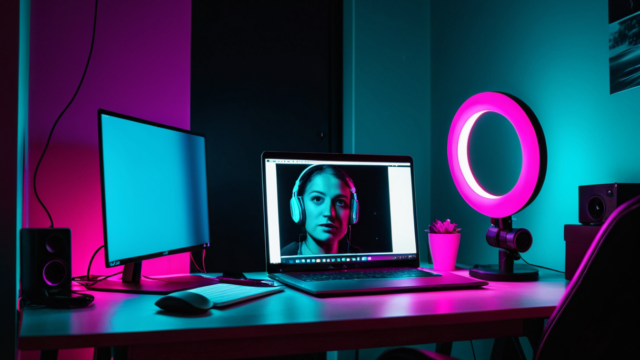
- Production Quality: This is one of the most noticeable differences. Studios typically invest in professional-grade equipment, including high-definition cameras, studio lighting kits, and robust internet connections. This often results in a visually sharper, more polished stream. Independent models, especially those just starting, might have more modest setups, leading to streams that are good, but perhaps less “crisp” or professionally lit. This isn’t a universal rule, as many independent models invest heavily in their own gear, but it’s a general trend.
- Interaction Style: While personality is unique to each performer, the environment can subtly influence interaction. Studio models might sometimes operate in a more “performance-oriented” mode, given their structured environment. Independent models, broadcasting from their own private spaces, might sometimes offer a more raw, intimate, or seemingly spontaneous interaction, as they are often managing everything themselves in a more personal setting. Neither is inherently “better,” but they offer different flavors of engagement.
- Background and Environment: With studio models, you’ll often see professionally designed sets or neutral, clean backgrounds. These environments are optimized for performance and visual appeal. Independent models, on the other hand, might stream from their bedrooms, living rooms, or other personal spaces. This can offer a glimpse into their individual style or personality, but the background might be less “perfect” than a studio-controlled environment.
- Cost and Value: While pricing varies wildly across the board, the overhead costs for studio models (which are passed on to the studio through a percentage of earnings) can sometimes indirectly influence pricing strategies. However, the value proposition is what truly matters. Are you paying for a high-production, professional show, or for a more personal, perhaps less polished, but deeply authentic interaction? Both have their merits, and understanding the underlying structure can help you appreciate the value you’re receiving. For example, a high-quality stream on CamStars might be from either type of model, but understanding their operational model can inform your expectations.
Understanding the differences between cam studios and independent models can significantly enhance your live-cam experience. This guide will walk you through identifying them, common pitfalls to avoid, and the trade-offs involved.
Identifying Studio Models vs. Independent Models: A Viewer’s Guide
Distinguishing between models working for a studio and those operating independently can sometimes be subtle, but there are often clear indicators once you know what to look for. This isn’t about judging one as “better” than the other, but rather about understanding the environment and support structure behind the performance, which can influence everything from stream quality to interaction style.
- Observe Production Quality and Setup:
- Studio Models: Typically feature highly professional, consistent setups. Look for advanced lighting, high-definition cameras, and often elaborate, unchanging backgrounds. The room might appear meticulously staged, almost like a set. Audio quality is usually pristine, with minimal background noise. You might notice multiple camera angles or seamless transitions, suggesting dedicated technical support.
- Independent Models: Often display a more varied or personal setup. While many independents invest heavily in good equipment, you might see more natural lighting, a visible personal touch in the decor (bookshelves, posters), or occasional glimpses of a less “perfect” home environment. Camera angles might be more static, and audio, while good, might occasionally pick up ambient sounds. The overall aesthetic might feel more intimate and less “produced.”
- Note Interaction Style and Schedule:
- Studio Models: May have a more structured or professional interaction style. They might adhere to specific scripts or performance guidelines. Their schedules are often very regular and predictable, as they are likely working set shifts. You might observe a more generalized approach to interaction, catering to a broader audience.
- Independent Models: Often exhibit a more spontaneous and personal interaction style. They have full control over their content and can adapt more freely to viewer requests (within their comfort zone). Their schedules can be more flexible, sometimes appearing online at varied hours. The interaction might feel more direct and tailored, as they are managing all aspects of their presence.
- Look for Branding and Collaboration:
- Studio Models: Might subtly (or overtly) display branding elements associated with a particular studio or network. They may also appear in multi-model shows or collaborations that seem professionally coordinated, rather than informal pairings.
- Independent Models: Their branding is usually personal, centered around their chosen stage name and unique aesthetic. Collaborations with other models are typically arranged directly between the individuals, often announced on their personal social media or profiles.
- Examine Profile Information and Social Media:
- Studio Models: Their profiles might be more standardized in format, with less personal detail. Social media links might point to more generic “fan pages” managed by a team, or they might have less active personal social media presence compared to independents.
- Independent Models: Often have highly detailed and personalized profiles, sharing more about their interests and personality. Their social media presence is usually very active and directly managed by them, offering a deeper look into their off-cam life and personality.
- Consider Pricing and Offerings:
- Studio Models: Pricing structures might be less flexible, often adhering to studio-set rates for private shows or specific activities. There might be less room for negotiation on custom content.
- Independent Models: Often have more flexible pricing, and are more likely to offer personalized packages, custom requests, or unique loyalty programs directly to their viewers, as they control their own business model.
Common Mistakes and Fixes for Viewers
Navigating the live-cam world, whether with studio or independent models, can be immensely rewarding. However, some common missteps can detract from your experience. Being aware of these and knowing how to adjust can lead to more satisfying interactions.
- Mistake 1: Assuming all models are the same.
- Problem: Expecting the same type of interaction, performance, or availability from every model, regardless of whether they are studio-affiliated or independent. This can lead to frustration when expectations aren’t met.
- Fix: Take a moment to observe and understand a model’s style, schedule, and how they interact with their audience. Read their profile. Recognize that studios might offer a more polished, consistent experience, while independents might offer more personal, flexible, or niche interactions. Adjust your expectations accordingly.
- Mistake 2: Not checking a model’s preferences or boundaries.
- Problem: Asking for content or engaging in conversations that a model has explicitly stated they are uncomfortable with, either in their profile or during a show. This can make the model uncomfortable and lead to a less enjoyable experience for everyone.
- Fix: Always read a model’s profile carefully, especially sections detailing their likes, dislikes, and boundaries. If unsure, observe for a while or ask politely in a general chat if something is acceptable before making a specific request. Respecting boundaries fosters a positive environment.
- Mistake 3: Overlooking the impact of studio vs. independent on interaction.
- Problem: Expecting an independent model to have the same technical production value as a studio model, or expecting a studio model to have the same level of personal, one-on-one interaction as an independent.
- Fix: Appreciate the strengths of each. Studio models often excel in high-quality, consistent streaming. Independent models often shine in personalized, direct engagement. Understand that a studio model might be managing multiple viewers under a studio’s guidance, while an independent model is managing everything themselves.
- Mistake 4: Not managing your budget effectively.
- Problem: Getting carried away in the moment and spending more than intended, especially during private shows or when requesting custom content.
- Fix: Set a budget before you start browsing and stick to it. Many platforms offer tools to track your spending. Be mindful of per-minute rates for private shows, which can range from a few dollars to upwards of ten or twenty dollars per minute, and the cost of custom content, which can vary widely based on complexity and model.
- Mistake 5: Neglecting to report inappropriate behavior (from other viewers or models).
- Problem: Allowing a negative experience, such as harassment from another viewer or a model violating platform rules, to go unreported. This can perpetuate a toxic environment.
- Fix: Utilize the reporting tools provided by the platform. Most live-cam sites have moderation teams and reporting mechanisms for both viewer-on-viewer and model-on-viewer issues. Your reports help maintain a safer and more enjoyable environment for everyone.
Comparisons and Trade-offs: Platforms, Settings, and Costs
Choosing between studio and independent models, and the platforms they operate on, involves weighing various factors related to your preferences, desired experience, and budget.
Platform Differences
- Major Platforms (often hosting both): These platforms typically offer a wide range of models, from those working with studios to fully independent creators.
- Pros: High traffic, diverse selection, robust features (private shows, cam-to-cam, media sharing), strong technical infrastructure, and typically good customer support. They offer a general sense of reliability and choice.
- Cons: Can feel less intimate due to the sheer volume of users. Competition for a model’s attention might be higher. Revenue share for models can vary significantly, impacting their earnings.
- Niche or Smaller Platforms (often favoring independents): Some platforms cater to specific niches or have a stronger community feel, often attracting more independent models.
- Pros: More intimate atmosphere, easier to connect with models, often more unique or specialized content. Can foster a stronger sense of community.
- Cons: Lower traffic, potentially fewer models online at any given time, features might be less comprehensive, and technical support could be less immediate.
Setting and Environment Trade-offs
- Studio Environments:
- Pros: Consistent high-quality streams (HD video, clear audio), professional lighting, diverse and elaborate sets, potential for multi-model shows or specific themes. Less prone to technical glitches from the model’s end.
- Cons: Can feel less personal or spontaneous. Models might adhere to stricter performance guidelines. Less direct control over their schedule or content, potentially leading to less flexibility for viewer requests.
- Independent Environments:
- Pros: More personal and authentic atmosphere, often reflecting the model’s personality and home environment. Greater flexibility for custom requests and spontaneous interactions. A stronger sense of direct connection and intimacy.
- Cons: Stream quality can vary more widely (from excellent to basic), potential for technical issues (internet, equipment), and backgrounds might be less elaborate or consistent. Schedules can be less predictable.
Cost Considerations
The cost of engaging with models varies significantly and is influenced by whether they are independent or studio-affiliated, the platform, and the type of interaction.
- Free Chat: Most platforms offer free public chat rooms. While you can interact, private content or direct attention usually requires tipping or entering a private show.
- Tipping: Viewers typically tip models with virtual currency (tokens or credits). The value of these tokens can range from a few cents to over a dollar per token, depending on the package purchased. Tipping amounts can range from small gestures (e.g., 5-20 tokens) to significant contributions (hundreds or thousands of tokens) for specific requests or extended attention.
- Private Shows: These are usually charged per minute. Rates can vary widely, typically from around 1.00 to 10.00+ USD per minute, depending on the model’s popularity, experience, and the platform’s pricing structure. Studio models might have more standardized rates, while independents might offer more varied or negotiable pricing.
- Custom Content/Requests: Models (especially independents) may offer custom videos, photos, or personalized interactions. The cost for these can range from around 20.00 USD for a simple request to several hundred dollars for complex or lengthy custom content.
- Membership/Fan Clubs: Some models offer exclusive content or benefits through fan clubs or subscription tiers, typically ranging from 5.00 to 50.00 USD per month.
Ultimately, the “best” choice depends on your personal preferences. Do you prioritize high production value and consistency, or a more personal, spontaneous, and direct connection? Understanding these trade-offs will help you navigate the live-cam world more effectively and find experiences that resonate most with you.
Understanding the differences between cam studios and independent models can help viewers make more informed choices and appreciate the diverse landscape of live-cam entertainment. Both offer unique experiences, and knowing what to expect can enhance your time on platforms like CamStars.
Cam Studios: The Structured Approach
Cam studios operate much like traditional businesses. They employ or contract models, providing them with a dedicated workspace, equipment, and often a team of support staff. This can include technical assistance, makeup artists, stylists, and even marketing support. For viewers, this often translates to a more consistent and polished presentation.
- Professional Setup: Studios typically invest in high-quality cameras, lighting, and internet connections, leading to a superior visual and audio experience.
- Reliability and Schedules: Models working for studios often adhere to set schedules, making it easier for viewers to find their favorite performers online at predictable times.
- Variety and Collaboration: Studios might feature multiple models interacting, offering dynamic group shows or themed performances that can be more complex to produce independently.
- Managed Content: Some studios have content guidelines or themes, which can ensure a certain level of consistency or cater to specific niches.
Independent Models: The Personal Touch
Independent models, as the name suggests, manage every aspect of their camming career themselves. They are their own boss, technician, marketer, and performer. This autonomy often leads to a more personal and intimate connection with their audience.
- Authenticity and Personality: Independent models often bring a raw, unfiltered personality to their streams. Their setup might be more casual, reflecting their personal space and style.
- Direct Interaction: Viewers often feel a stronger, more direct connection with independent models as there’s no intermediary. Communication can feel more personal and less managed.
- Flexibility and Spontaneity: Independent models set their own hours and can be more spontaneous with their shows, often streaming when inspiration strikes or to connect with their audience on a whim.
- Niche Focus: Many independent models carve out very specific niches, catering to highly particular interests that might not be broadly covered by larger studios.
3 Practical Considerations
When engaging with either studios or independent models, it’s helpful to be aware of a few practical considerations, without being alarmist.
- Data Security: Reputable platforms, whether hosting studios or independent models, typically employ robust security measures to protect user data. Always ensure you are on a secure website (look for ‘https’ in the URL) and use strong, unique passwords.
- Financial Transactions: All financial transactions, regardless of whether you’re tipping a studio model or an independent one, should go through the platform’s secure payment system. Be wary of any requests for direct payments outside the platform, as these generally lack the same level of protection.
- Model Well-being: Studios often have policies in place regarding model breaks, mental health support, and conflict resolution. Independent models manage these aspects themselves, and while most are very professional, viewers should always respect boundaries and avoid making inappropriate demands.
- Content Expectations: While studios might have general content guidelines, independent models have complete control over their shows. If you have specific expectations, it’s always best to communicate clearly and respectfully to avoid misunderstandings.
- Platform Policies: Both studio models and independent models operate under the platform’s terms of service. Familiarizing yourself with these can help you understand what is and isn’t permissible behavior for both performers and viewers.
Studio vs. Independent: 5 Differences
- Cam studios offer professional production quality and consistent schedules.
- Independent models provide a more personal, authentic, and often spontaneous experience.
- High-quality equipment and reliable internet are more common with studio models.
- Direct, unmediated interaction is a hallmark of independent camming.
- Always use secure payment methods provided by the platform.
- Respect model boundaries and platform guidelines, regardless of their operational setup.
- Both options offer unique benefits; your preference depends on what you seek in a live-cam experience.
Ultimately, the choice between engaging with a cam studio or an independent model comes down to personal preference. Both contribute significantly to the diverse and dynamic world of live-cam entertainment, offering unique experiences for every viewer.